Essential Filter Technical Guides: Selection, Maintenance & Troubleshooting
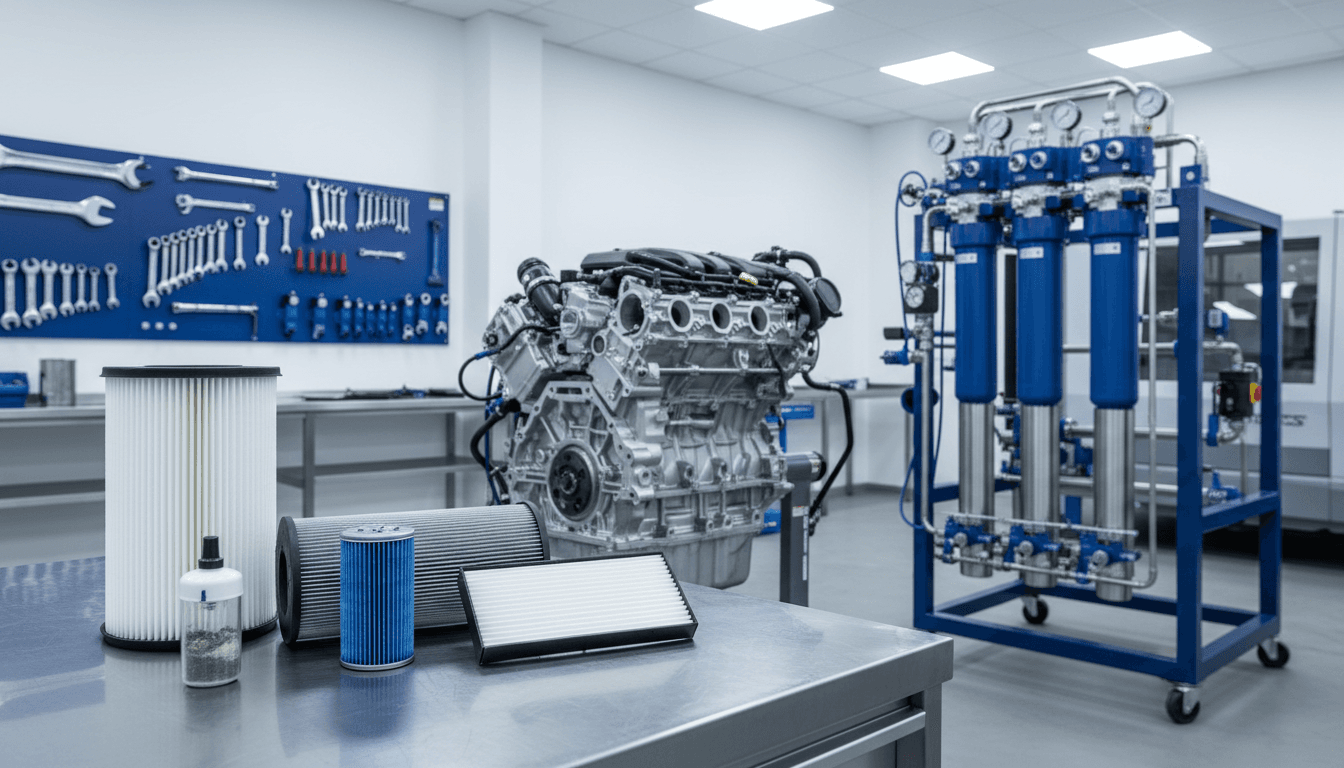
In the complex world of modern machinery, whether it's a passenger car, a heavy-duty truck, construction equipment, or an intricate industrial system, the unsung heroes are often the filters. They are critical components that protect vital systems from contaminants, ensuring efficiency, reliability, and longevity. Neglecting filtration can lead to costly repairs, downtime, and reduced performance. At Filtry.org, your trusted distributor of over 300,000 automotive and industrial filters from leading manufacturers, we understand the paramount importance of proper filtration. This comprehensive technical guide serves as your essential resource, offering practical advice, diagnostic tips, and maintenance instructions for a wide range of filter types. We deliver across Europe, including the UK, Germany, and Poland, bringing expertise and quality filters directly to you.
Understanding Filtration: Why It Matters
The Role of Filters in Protecting Your Investments
Filters are designed to remove impurities from fluids (oil, fuel, hydraulic fluid) and air, preventing these contaminants from reaching sensitive components. Without effective filtration, abrasive particles, water, and other debris can cause accelerated wear, corrosion, and catastrophic failure within engines, hydraulic systems, and cabin environments.
- Engine Protection: Air filters prevent dust and debris from entering the combustion chamber, while oil filters clean lubrication oils from metallic particles and soot.
- Fuel System Integrity: Fuel filters remove contaminants like dirt, rust, and water from fuel, protecting injectors and fuel pumps.
- Hydraulic System Efficiency: Hydraulic filters safeguard sensitive components from particulate contamination that can cause wear and reduce system pressure.
- Operator Comfort & Health: Cabin filters ensure clean air inside the vehicle, protecting occupants from dust, pollen, and pollutants.
Consequences of Neglecting Filtration
Overlooking regular filter maintenance is a false economy. The potential costs of component repair or replacement far outweigh the expense of timely filter changes. Common issues stemming from neglected filtration include:
- Reduced engine performance and fuel efficiency.
- Increased emissions.
- Premature wear of critical components (injectors, pumps, bearings).
- System overheating.
- Increased operating noise.
- Complete system failure.
- Compromised air quality inside the cabin.
Automotive Filter Technical Guides
For drivers, professional mechanics, and fleet operators, understanding the nuances of automotive filtration is crucial for maintaining vehicle health and ensuring operational safety. Here's a practical poradnik (guide) to the most common automotive filters.
Air Filters: Protecting Your Engine's Lungs
The engine's air filter is its first line of defence against airborne contaminants. It prevents dust, pollen, insects, and road debris from entering the combustion chambers, which could otherwise cause severe damage and reduce engine life.
Signs of a Clogged Air Filter:
- Reduced fuel efficiency.
- Sluggish acceleration or reduced horsepower.
- Engine misfires or rough idling.
- A noticeable decrease in engine sound dampening.
- Visible dirt or debris on the filter element when inspected.
- Dark smoke from the exhaust (especially in diesel engines).
When to Replace Your Air Filter:
The recommended replacement interval varies based on vehicle manufacturer guidelines and operating conditions. As a general instrukcja (instruction), consider:
- Every 15,000 to 30,000 kilometres, or annually, whichever comes first.
- More frequently if driving in dusty environments, off-road, or in heavy traffic.
- Upon visual inspection if the filter appears excessively dirty or damaged.
Choosing the Right Air Filter:
Selecting the correct air filter is essential for optimal engine performance and protection. Key considerations include:
- Vehicle Specifications: Always refer to your vehicle's owner manual for the correct part number or specifications.
- Filter Type: Standard paper filters are common, but some vehicles may use performance or long-life filters.
- Quality: Opt for high-quality filters that meet or exceed original equipment (OE) specifications to ensure proper fit and filtration efficiency.
Explore our extensive range of air filters for all types of vehicles, from passenger cars to heavy-duty trucks.
Oil Filters: The Heart of Engine Lubrication
The oil filter works tirelessly to remove contaminants from the engine oil, such as metal particles, sludge, and unburnt carbon, ensuring that only clean oil circulates to lubricate vital engine components.
Signs of a Failing Oil Filter:
- Reduced oil pressure (check dashboard warning light).
- Engine overheating.
- Metallic sounds or knocking from the engine.
- Dark or sludgy oil, even shortly after an oil change.
When to Replace Your Oil Filter:
- Typically, an oil filter should be replaced with every oil change.
- Follow your vehicle manufacturer's recommended service intervals, which usually range from 10,000 to 20,000 kilometres or every 6-12 months.
- Using synthetic oil may allow for longer oil change intervals, but the filter still requires regular inspection and replacement.
Choosing the Right Oil Filter:
- Compatibility: Ensure the filter matches your vehicle's make, model, and engine type.
- Filtration Efficiency: High-quality filters offer superior contaminant removal without restricting oil flow.
- Bypass Valve: Some filters include a bypass valve that allows oil to circulate if the filter becomes clogged, preventing engine starvation (though still requiring immediate replacement).
Find the perfect fit for your vehicle's needs among our wide selection of oil filters.
Fuel Filters: Ensuring Pure Fuel Delivery
Fuel filters are crucial for removing impurities like dirt, rust, and water from fuel before it reaches the fuel injectors or carburettor. This protects sensitive components from damage and ensures efficient fuel combustion.
Signs of a Clogged Fuel Filter:
- Engine sputtering or hesitation, especially at higher speeds.
- Difficulty starting the engine.
- Loss of engine power or acceleration.
- Engine stalling.
- Check engine light illumination.
- Noticeable decrease in fuel efficiency.
When to Replace Your Fuel Filter:
- Manufacturer recommendations typically range from 30,000 to 100,000 kilometres.
- Diesel engines, especially those operating in demanding conditions or with lower quality fuel, may require more frequent changes.
- If you suspect fuel contamination or experience any of the signs above, replace the filter immediately.
Choosing the Right Fuel Filter:
- Fuel Type: Ensure the filter is specified for petrol or diesel applications.
- Vehicle Fitment: Match the filter to your vehicle's specific make and model.
- Micron Rating: Different filters have different micron ratings, indicating the size of particles they can capture. Ensure it meets engine requirements.
Browse our comprehensive range of fuel filters, including options for petrol and diesel vehicles.
Cabin Filters: Breathing Clean Air
Cabin filters, also known as pollen filters, remove dust, pollen, soot, and other allergens from the air entering the vehicle's interior through the heating, ventilation, and air conditioning (HVAC) system. This enhances occupant comfort and can reduce allergy symptoms.
Signs of a Clogged Cabin Filter:
- Reduced airflow from the HVAC vents.
- Unpleasant odours in the cabin.
- Increased noise from the blower motor as it struggles to push air.
- Visible debris or leaves accumulating on the filter element.
- Fogging of windows due to impaired air circulation.
When to Replace Your Cabin Filter:
- Generally recommended every 15,000 to 30,000 kilometres, or annually.
- More frequently if you drive in heavily polluted areas, dusty environments, or through areas with high pollen counts.
- Many vehicle manufacturers suggest replacement at every major service interval.
Choosing the Right Cabin Filter:
- Standard Particle Filters: Capture dust, pollen, and other particulate matter.
- Activated Carbon Filters: Offer enhanced protection by also absorbing odours and exhaust gases.
- Fitment: Ensure the filter is designed for your specific vehicle make and model for a proper seal.
Discover our selection of cabin filters for superior air quality in your vehicle.
AdBlue Filters: Maintaining Emissions Systems
AdBlue (Diesel Exhaust Fluid or DEF) is a crucial component in modern diesel vehicles equipped with Selective Catalytic Reduction (SCR) systems to reduce nitrogen oxide emissions. AdBlue filters ensure the purity of this fluid, protecting the delicate SCR system components from contamination.
Signs of a Clogged AdBlue Filter:
- Reduced SCR system performance.
- Illumination of the AdBlue warning light or "Check Engine" light.
- Error codes related to the SCR system or AdBlue quality.
- Potential de-rating of engine power or speed limitations as a protective measure.
When to Replace Your AdBlue Filter:
- Follow the vehicle manufacturer's specific service recommendations, which can vary significantly.
- Often replaced at major service intervals or alongside other DEF system maintenance.
- If using lower quality AdBlue or operating in dusty environments, more frequent checks and potential replacements may be necessary.
Choosing the Right AdBlue Filter:
- Vehicle Specificity: AdBlue filters are highly specific to the vehicle's make, model, and SCR system.
- Material Compatibility: Ensure the filter material is compatible with AdBlue, which can be corrosive to certain metals.
- Quality Assurance: Opt for filters from reputable suppliers to guarantee proper filtration and chemical resistance.
Industrial & Heavy Machinery Filter Technical Guides
Industrial filtration is paramount for the continuous and efficient operation of heavy equipment, agricultural machinery, and stationary industrial systems. These environments often pose extreme challenges, making robust and reliable filtration essential. This section provides a practical instrukcja on key industrial filter types.
Hydraulic Filters: Powering Precision Systems
Hydraulic systems rely on clean hydraulic fluid to transmit power efficiently and reliably. Hydraulic filters are designed to remove particulate contamination, rust, and water from the fluid, protecting pumps, valves, cylinders, and motors from wear and malfunction.
Signs of a Clogged Hydraulic Filter:
- Reduced hydraulic system performance (slow operation, weak lifting/pushing power).
- Increased operating temperature of the hydraulic fluid.
- Unusual noises from hydraulic pumps or actuators.
- Warning lights on the machine's dashboard indicating low pressure or filter bypass activation.
- Visible contamination in the hydraulic fluid (if a sight glass is present).
When to Replace Your Hydraulic Filter:
- Follow the equipment manufacturer's service manual recommendations strictly. This can vary widely based on the system type and operating environment.
- Many systems have pressure indicators that signal when a filter is nearing the end of its life and needs replacement.
- More frequent changes are required in demanding applications, dirty environments, or after a component failure that may have introduced contamination.
- Consider fluid analysis to determine actual contamination levels and optimise filter change intervals.
Choosing the Right Hydraulic Filter:
- Micron Rating: Select a filter with the appropriate micron rating for your system's components (e.g., finer filtration for servo valves).
- Pressure Rating: Ensure the filter can withstand the system's operating pressure.
- Flow Rate: The filter must be able to handle the system's maximum flow rate without excessive pressure drop.
- Element Type: Options include surface-type, depth-type, and absorbent filters, each suited for different contamination types.
- Housing Compatibility: The replacement element must fit perfectly into the existing filter housing.
For all your heavy machinery and industrial needs, explore our extensive range of hydraulic filters.
General Troubleshooting and Best Practices
Effective diagnostyka (diagnosis) and proactive maintenance are key to preventing costly breakdowns and ensuring the longevity of your vehicles and machinery. Here are some general principles for filter-related problem-solving and best practices.
Common Filter-Related Issues and Their Solutions
- Reduced Performance: Often indicates a clogged air or fuel filter restricting flow. Replace the filter as per recommendations.
- Warning Lights: Low oil pressure, check engine, or AdBlue warning lights can point to filter issues. Consult the owner's manual for specific codes or indications.
- Unusual Noises: A struggling engine or noisy HVAC blower often points to restricted airflow (air or cabin filter).
- Excessive Smoke (Diesel): Can indicate a severely restricted air filter or a problem with fuel filtration affecting combustion.
- Hydraulic System Jerkiness/Sluggishness: A classic sign of a clogged hydraulic filter causing pressure drops.
Diagnostic Steps for Filtration Problems
When encountering performance issues, a systematic approach to rozwiązywanie problemów (troubleshooting) is crucial:
- Visual Inspection: Begin by visually inspecting the most accessible filters (air, cabin). Look for obvious signs of dirt, damage, or clogging.
- Consult Service Records: Check when filters were last replaced. If overdue, replacement is a logical first step.
- Check Owner/Service Manuals: These provide specific diagnostic steps, expected performance parameters, and filter change intervals.
- Monitor Gauges and Indicators: Pay attention to oil pressure gauges, temperature gauges, and filter condition indicators (if present on industrial equipment).
- Fluid Analysis: For critical industrial applications, regular oil or hydraulic fluid analysis can detect contamination levels before issues become apparent.
Proactive Maintenance Tips
- Adhere to Schedules: Always follow manufacturer-recommended service intervals for all filters.
- Use Quality Filters: Invest in high-quality filters that meet or exceed OE specifications to ensure effective filtracja.
- Regular Inspections: Periodically check filters, especially those exposed to harsh conditions, between scheduled replacements.
- Maintain Cleanliness: Ensure the areas around filter housings are clean during replacement to prevent introducing new contaminants.
- Educate Operators: Train drivers and machine operators on the signs of filter wear and the importance of reporting issues promptly.
The Importance of Genuine/Quality Filters
While generic or cheaper filters might seem like a way to save money, they often fall short in performance, durability, and fitment. Sub-standard filters can:
- Offer inadequate filtration, allowing harmful particles to pass through.
- Degrade prematurely, leading to early clogging or breakdown.
- Have poor seals, bypassing the filtration medium entirely.
- Cause pressure drops, leading to reduced system efficiency.
Always choose filters from reputable sources, like Filtry.org, to guarantee optimal protection and peace of mind.
Conclusion: Your Partner in Filtration Excellence
Effective filtration is not merely a maintenance task; it is a fundamental aspect of operational reliability, efficiency, and longevity for any vehicle or machine. By understanding the function of each filter, recognising the signs of wear, and adhering to proper replacement schedules, you can significantly reduce maintenance costs, prevent breakdowns, and ensure peak performance.
At Filtry.org, we are committed to being your ultimate resource for all filtration needs. With an extensive inventory of over 300,000 quality products for passenger cars, trucks, construction machinery, agricultural equipment, and industrial machines, we provide unparalleled selection and expertise. Our dedicated team is here to help you navigate your choices and find the perfect filter solution, delivered conveniently across Europe, including the UK, Germany, and Poland. Trust Filtry.org for superior filtration – because quality filtration means lasting performance.
Share